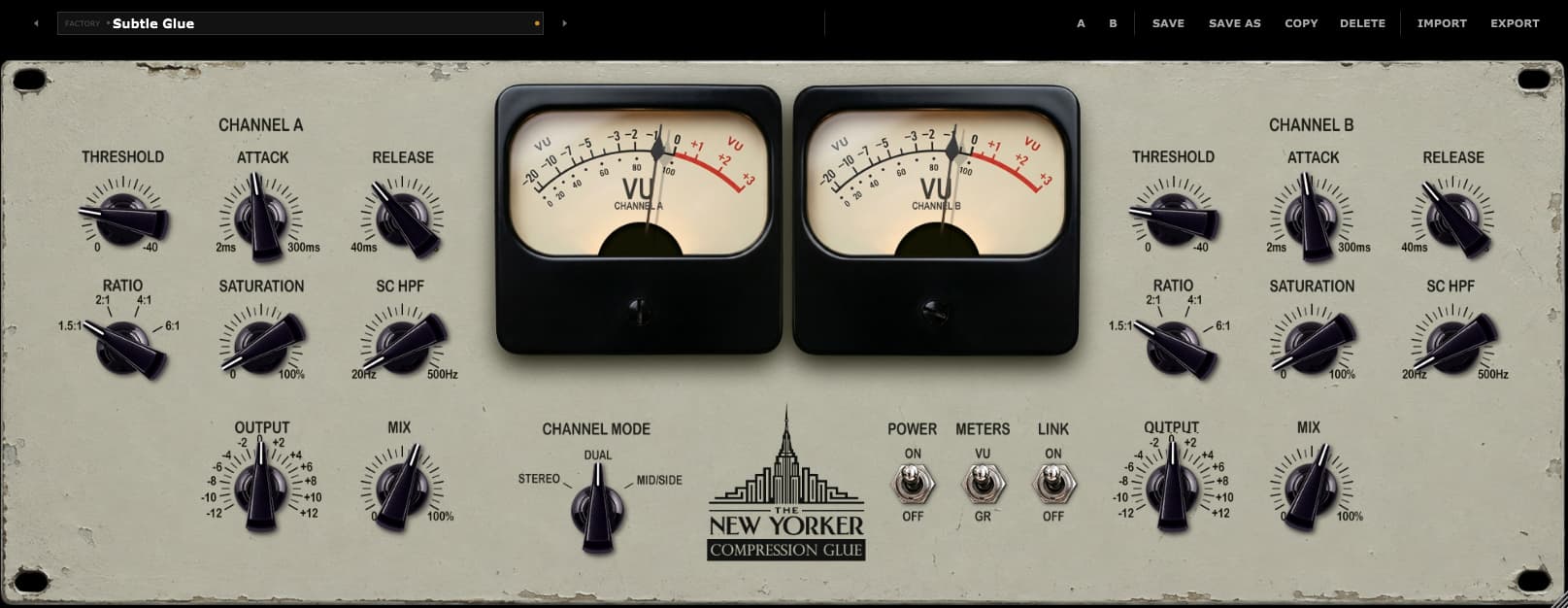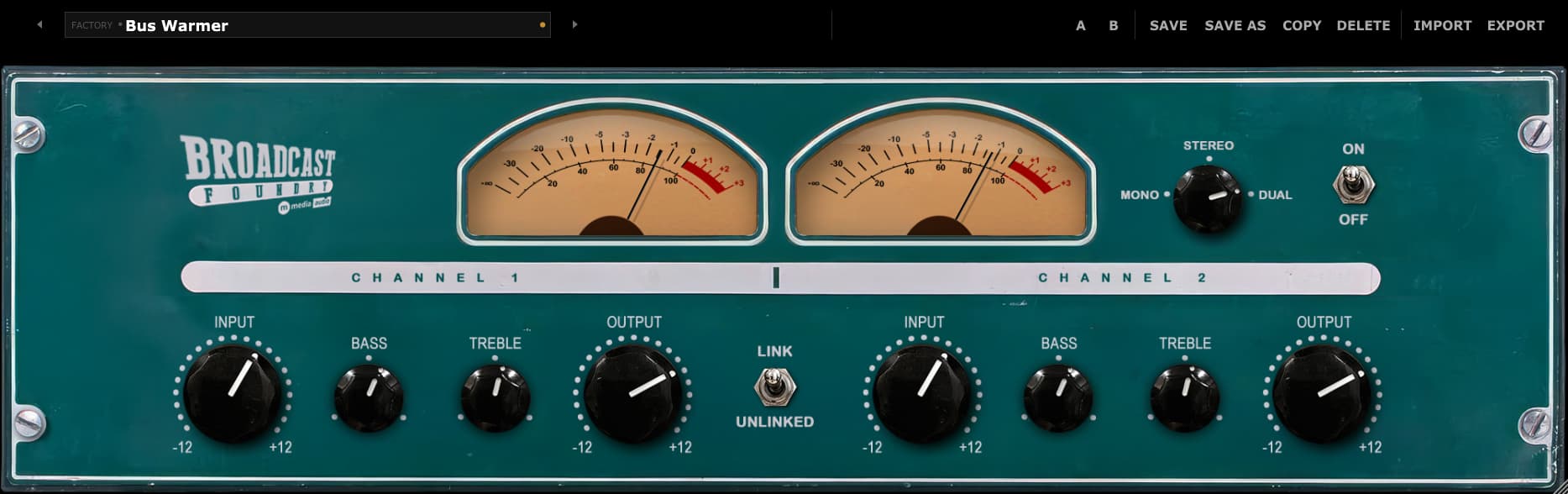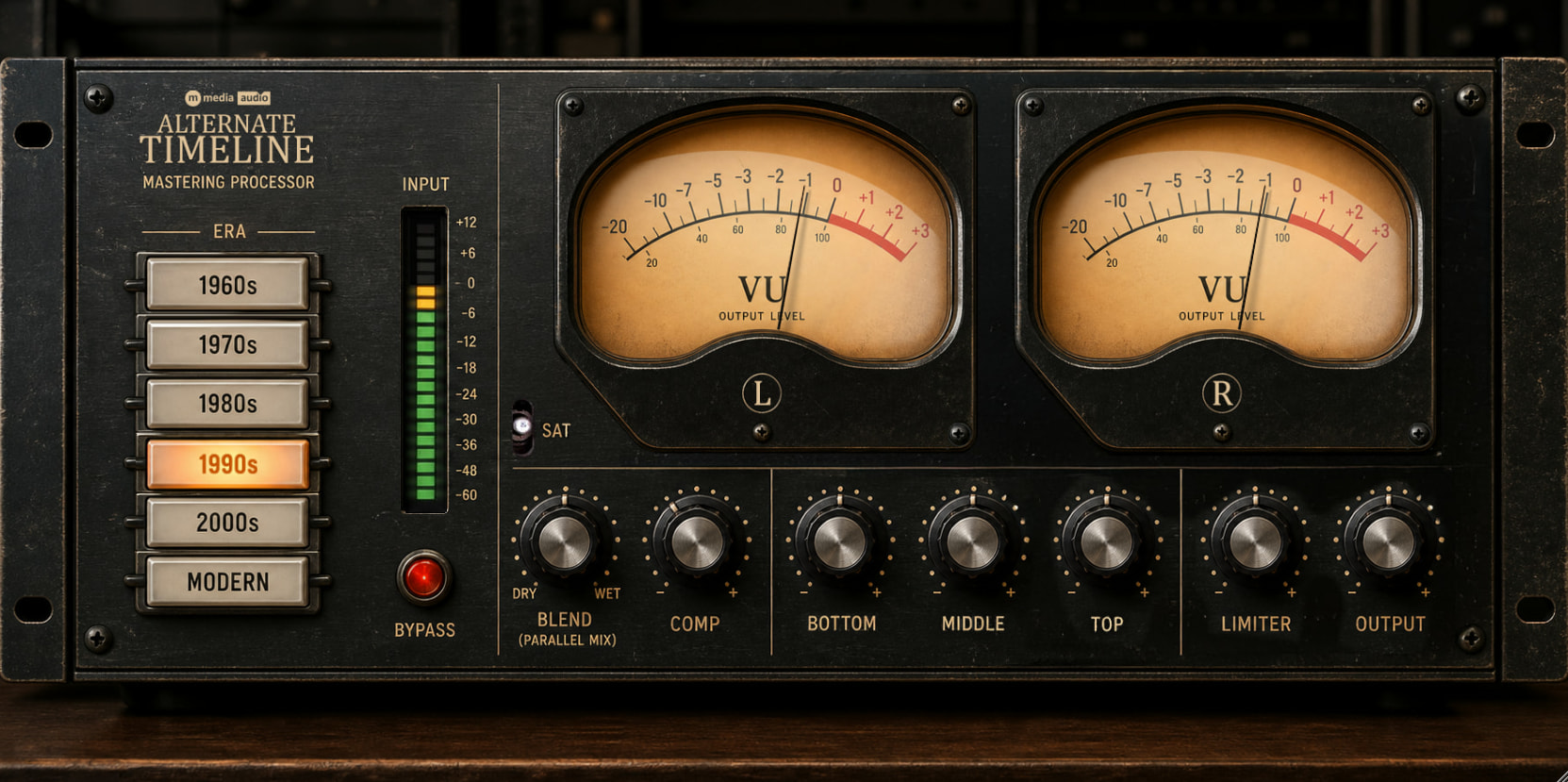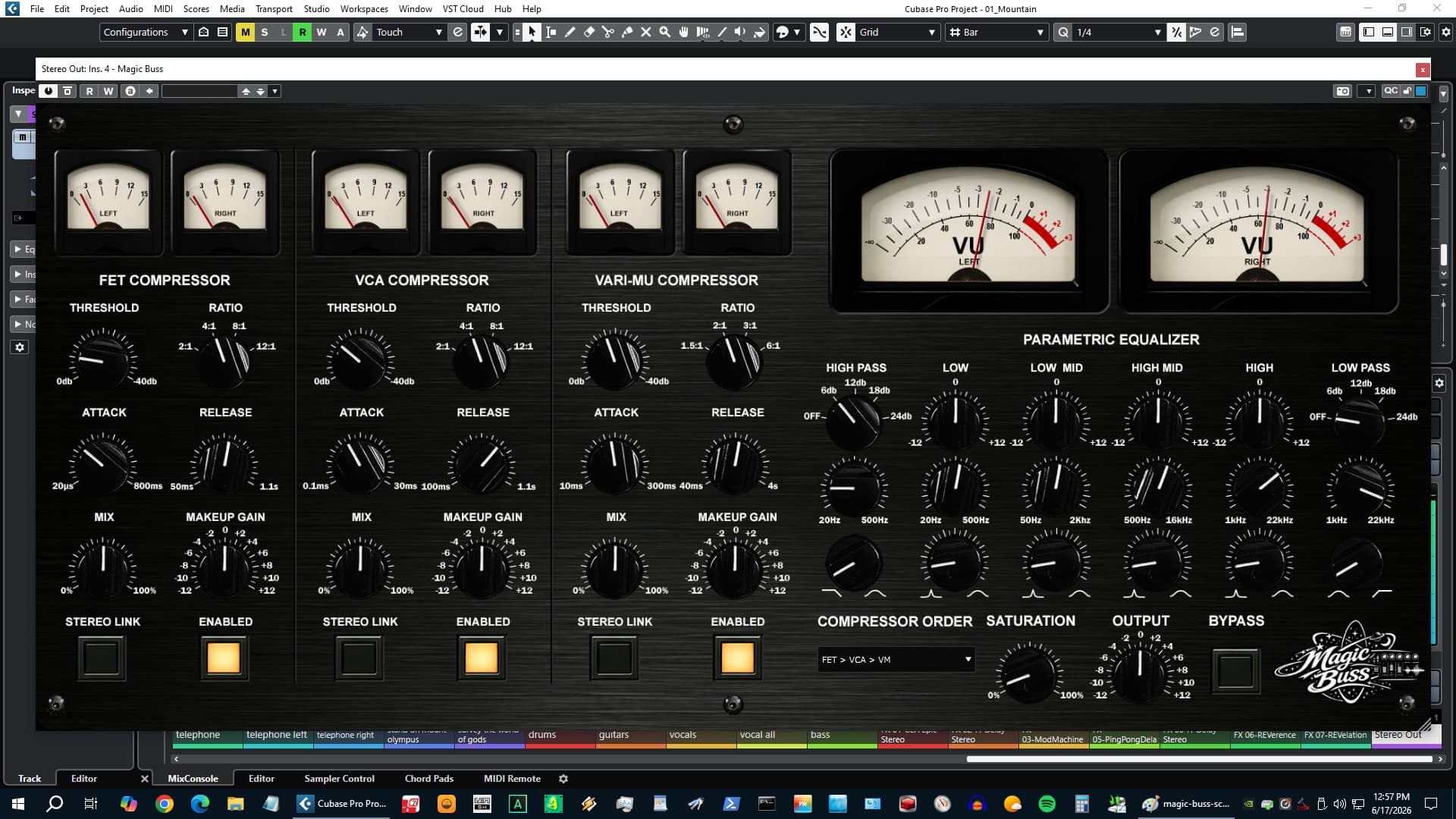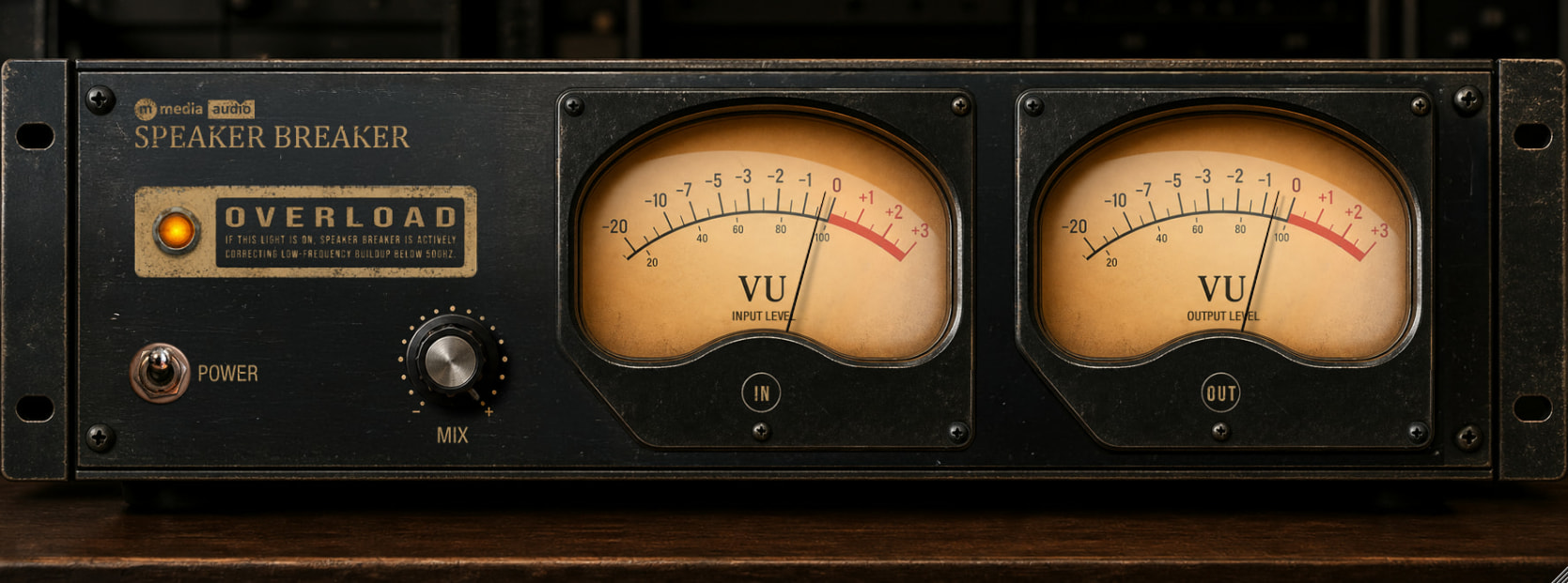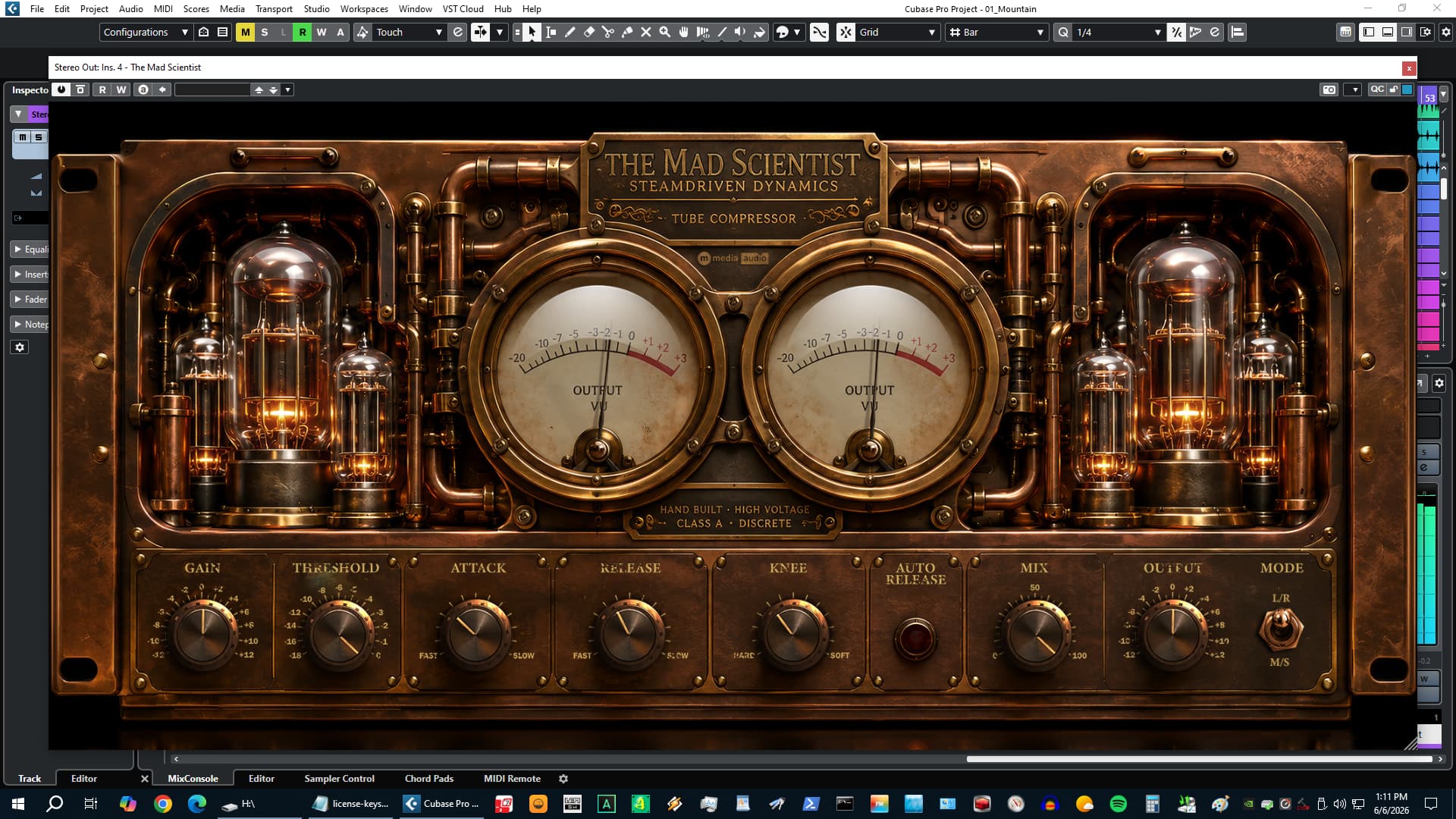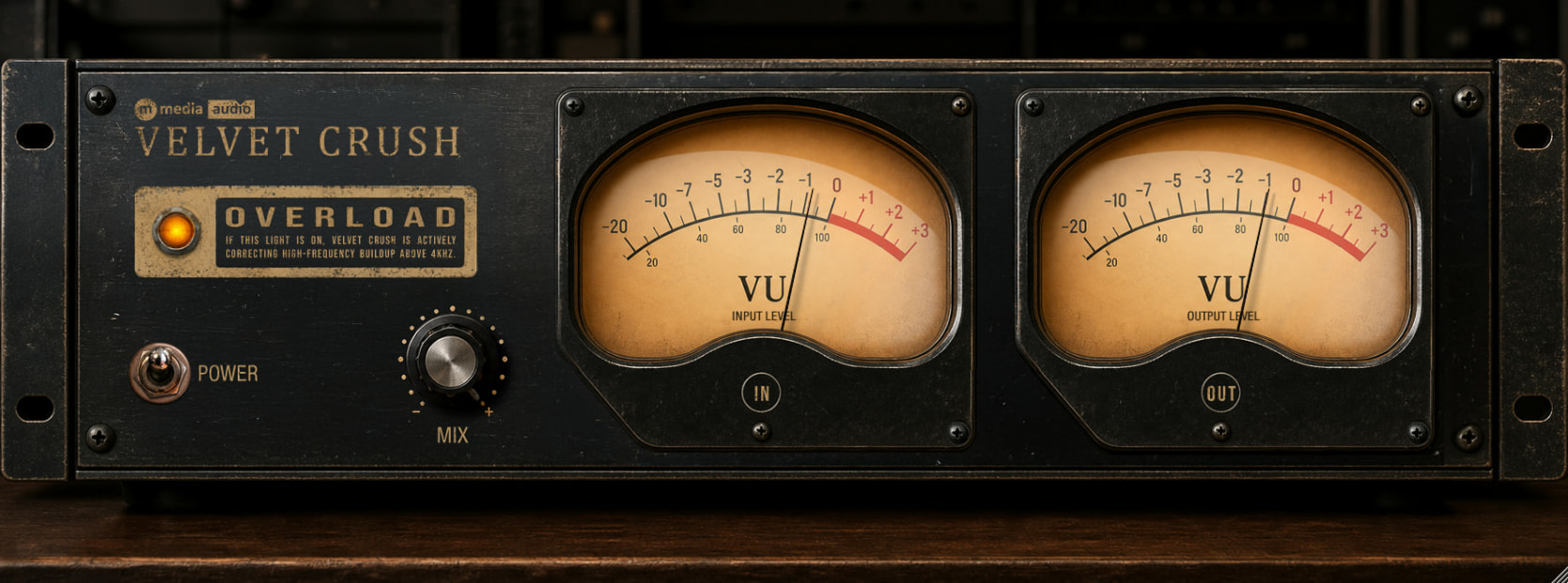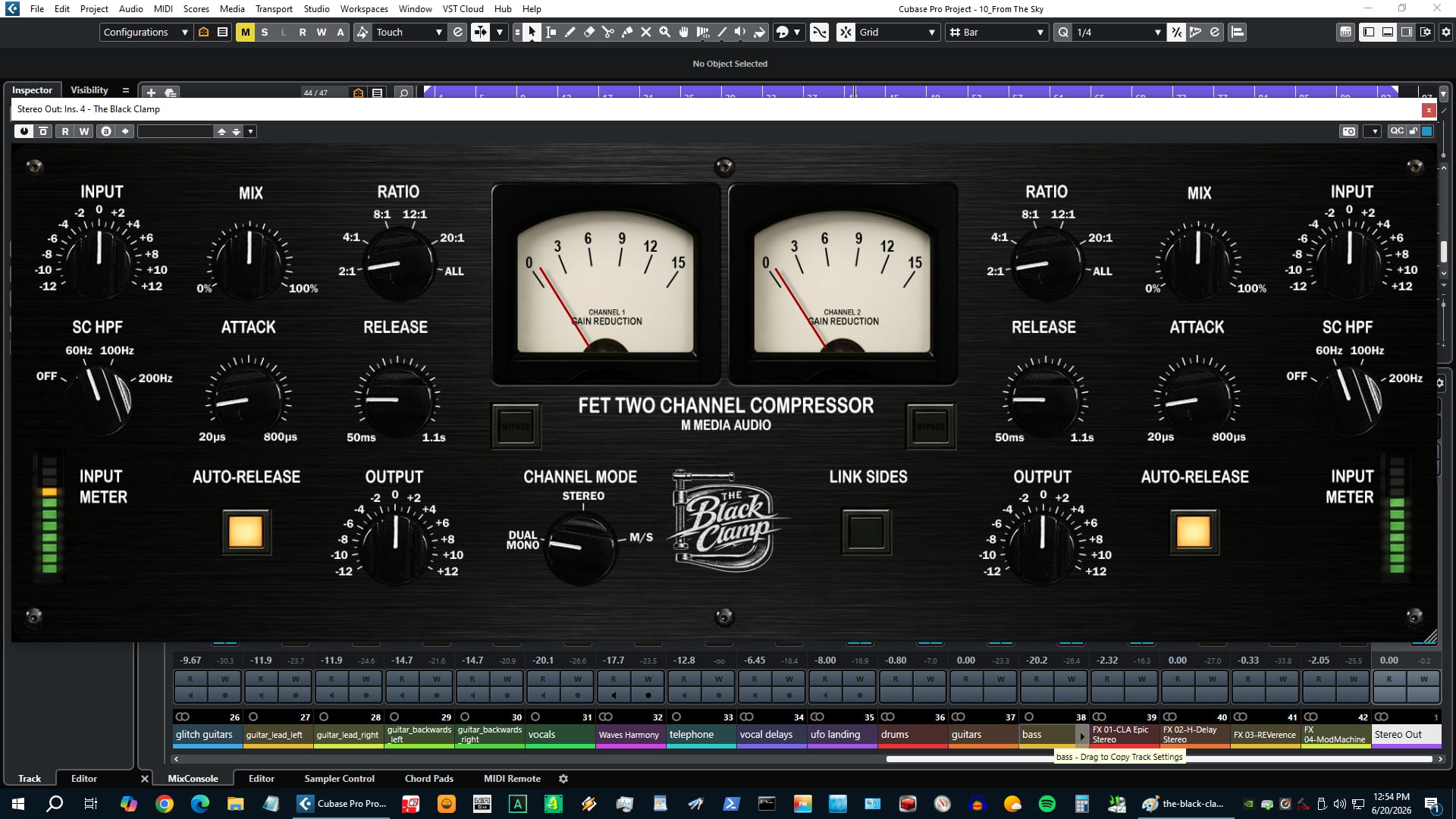
The short answer: we don’t make AAX plugins, we like making tools people can actually afford, and Linux support makes our little black hearts go pitter-patter. The longer answer involves engineering decisions, plugin pricing, professional audio’s complicated relationship with the word “professional,” and a budget meeting nobody here was emotionally equipped to attend.
Pull up a chair. It doesn’t need to be a $900 studio chair. You can hear perfectly well from the cheap seats.
We Chose Where to Spend the Work
Every plugin format adds work. A lot of work. There’s development, testing, packaging, maintenance, and the occasional afternoon spent discovering that something which worked yesterday has decided to pursue other interests.
We support VST3 on Windows, macOS, and Linux, plus AU on macOS. We don’t currently make AAX versions. That’s a deliberate decision about where we put our development time and money. Supporting another format is an ongoing commitment, and we’d rather put that effort into the formats and platforms we’ve chosen to serve. Including Linux. Especially Linux.
Somewhere, a spreadsheet just asked whether we could reconsider that last part. We could? We won’t.
If AAX is essential to your setup, we understand that our plugins may not fit your workflow. You deserve to know that before you buy anything – you can grab Blue Cat Patchwork, will run these unbelievably well, and our plugins are quite light in memory and cycles. We’re not going to put it in eight-point gray text beneath a photograph of a producer experiencing stock-photo euphoria – use the magical powers of your imagination! Our supported formats are listed because compatibility should be a fact, not a plot twist.
Keeping our scope focused helps us keep the work manageable and the prices accessible. It isn’t the entire explanation, but it’s a meaningful part of it.
The Plugin Market Has Trained Everybody
Ugh. Ok. Let’s acknowledge the enormous discounted elephant in the control room. The plugin industry has spent years teaching people to wait for a sale. You’ve seen the offers. Twenty-nine dollars. Another twenty-nine dollars. An entire virtual equipment warehouse offered at a price that makes you wonder whether somebody accidentally selected everything before clicking “Publish.”
We’re not naming names. You’ve already received the email. Possibly while reading this.
There’s nothing wrong with wanting a deal. We like a deal. This is not a cheap racket, and quality classic gear is not getting cheaper either. We operate a business in which someone can spend an unreasonable amount of time getting a VU meter to look right (me, coughcough) and then sell the result for less than dinner. You want us to eat, right? Right? Our relationship with sensible economics is clearly informal-at-best.
But those constant discounts establish expectations. Musicians compare what they can buy today, at the actual checkout price. A crossed-out number doesn’t get to sit in the studio and contribute harmonies. We know we’re competing in that world. I would also say that many AI vibe-coded plugins have breached the walls, and several are excellent – I think it’s more about the idea rather than how you got there, but more on that later..
We also know there are people whose operating system rarely appears in those offers. They scroll down to the compatibility section, see Windows and macOS, and experience the familiar sensation of having attended a party as the designated coat rack. A fine-lookin’, linux-shell typin’ coat rack!
Hello, Linux users. Come in. We saved you a chair. You look like you could use a beverage.
Linux Is Invited to the Session
Our affection for Linux is deeply inconvenient to anyone trying to make this story sound like a conventional business strategy, lol. We support it because we want to. Because people make music on it. Because choosing Linux shouldn’t automatically mean being excused from the interesting part of the plugin catalog – I think it’s by far, the most exciting platform to be on.
And because we have a soft spot for anyone who can diagnose a system dependency and then immediately go back to arguing about whether the snare needs more body. That is a complete human being.
Linux musicians record, mix, master, experiment, build studios, and finish records. Their sessions deserve useful tools, thoughtful interfaces, and the same opportunity to put too much compression on a drum bus as everybody else. Equality means access to questionable creative decisions.
It also means doing the less glamorous work. Builds. Dependencies. Compatibility. Listening when someone says a plugin won’t run on their distribution. Recently, a user pointed out that our Linux builds required a newer system library than their setup provided. We updated the builds to use the older version. All good. Look, we don’t run every distribution ever, we crave input from people, and when we get it, we’re going to use that information to the best, or at least average, of our ability.
No ribbon-cutting ceremony. No keynote presentation about our journey toward interoperability. Mainly, I’m at the age bracket and level of disappointment, lob these word grenades at linkedin.. never, has any one place devolved to such a low level of smarmy ass-kissing. Anyways, someone wanted to use the tools. We addressed the obstacle. That’s the kind of support we want to provide. Email us, we’ll blame it on someone else, fix the issue, send a build out, everyone’s good. Or better, at least.
Linux support makes our little black hearts go pitter-patter. We realize that isn’t a recognized accounting metric. Accounting has filed a complaint.
Affordable Describes the Price
There’s a strange reflex in audio: if a tool is inexpensive, people sometimes assume it must be unserious. Raise the price, add a moody photograph, and suddenly the same general category of thing is being discussed in terms normally reserved for archaeological discoveries.
We understand why. Buying audio tools involves trust and very little in the form of warranties. You want to know that something works, sounds good, and won’t turn a session into an unpaid technical residency. Price can look like a shortcut to that confidence.
But price alone doesn’t tell you how thoughtfully a processor was designed, how useful its controls are, or whether it solves your particular problem. An expensive plugin can be excellent. An affordable plugin can be excellent. Either can be completely wrong for what you’re trying to do. Your mix does not inspect receipts. It responds to processing.
We want you to judge our tools by what happens when you use them: whether you can find the sound you need, understand what the controls are doing, and get back to making music. If the price makes that decision easier, good.
We don’t feel obligated to make the checkout more painful so the purchase feels professionally validating. You’ve suffered enough. You’ve aligned overheads.
We Make Things We Want to Use
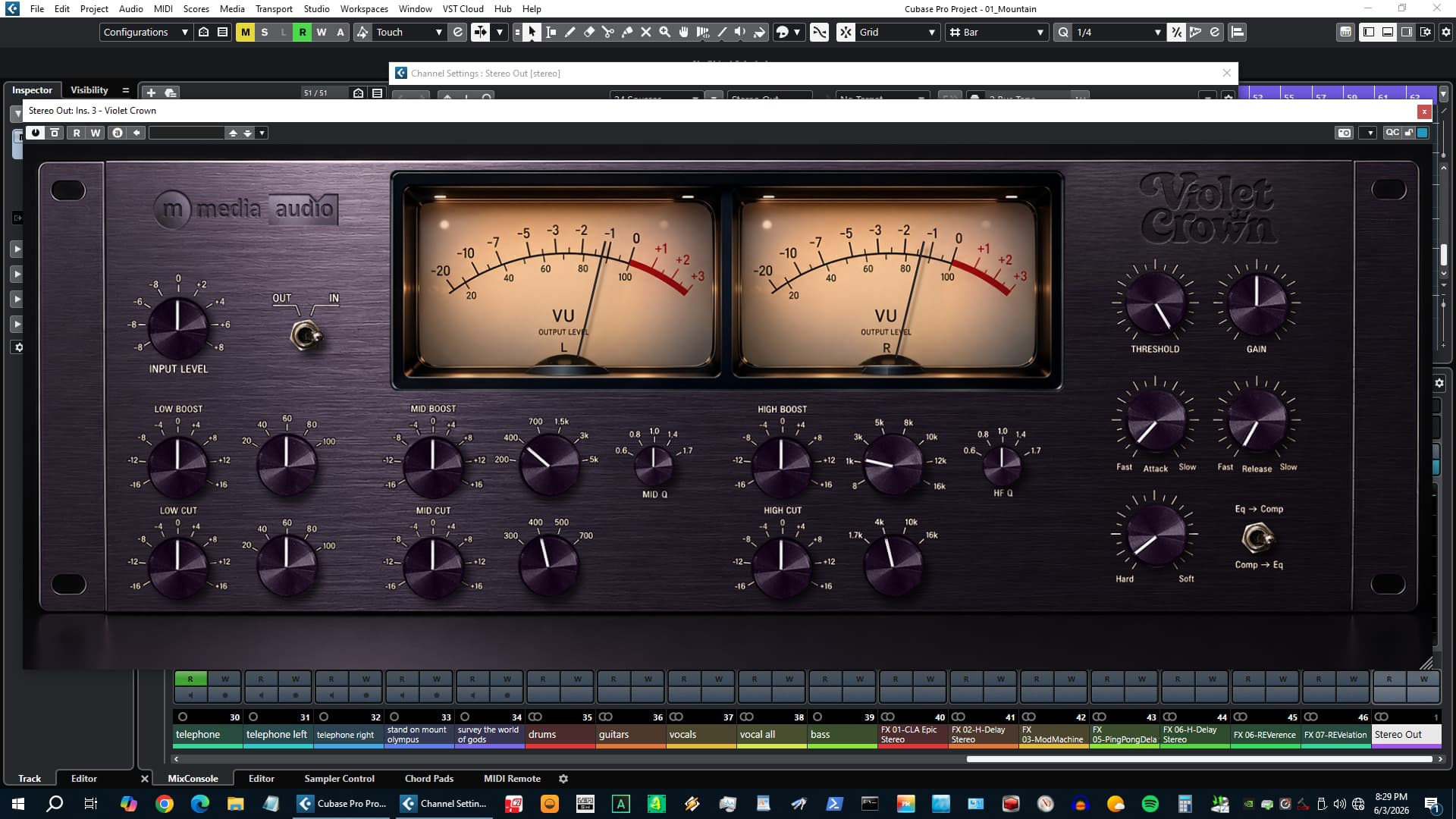
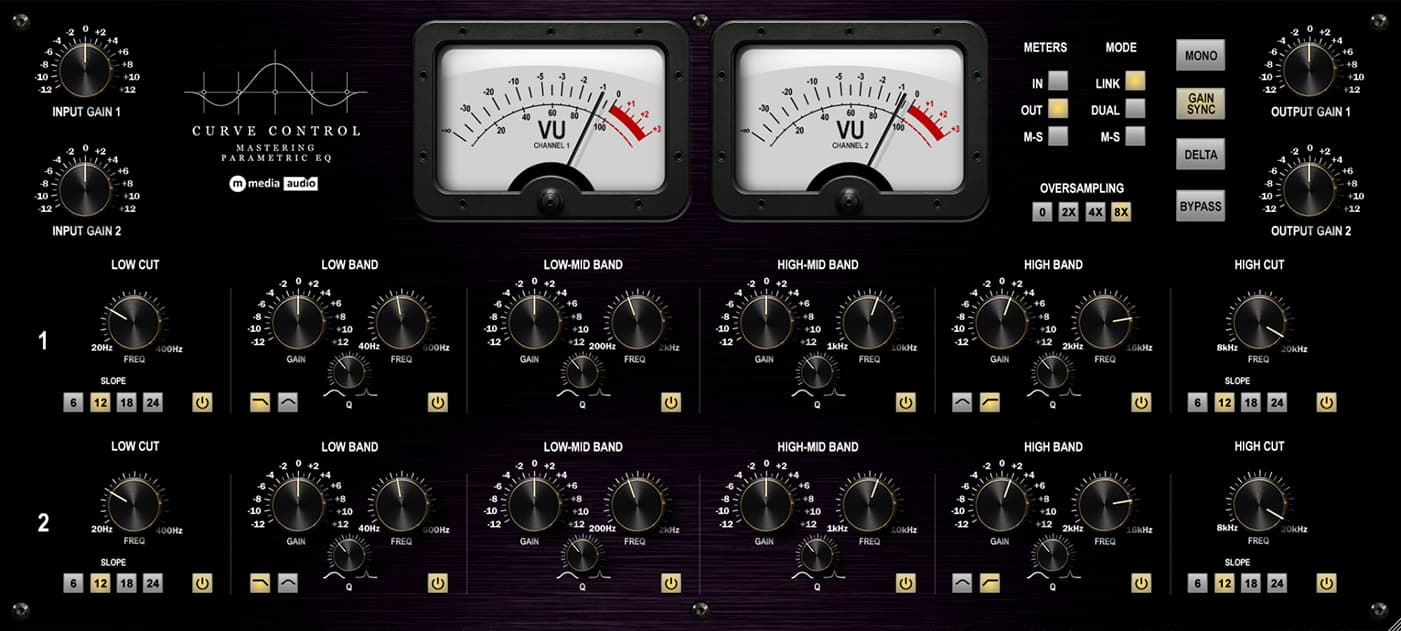
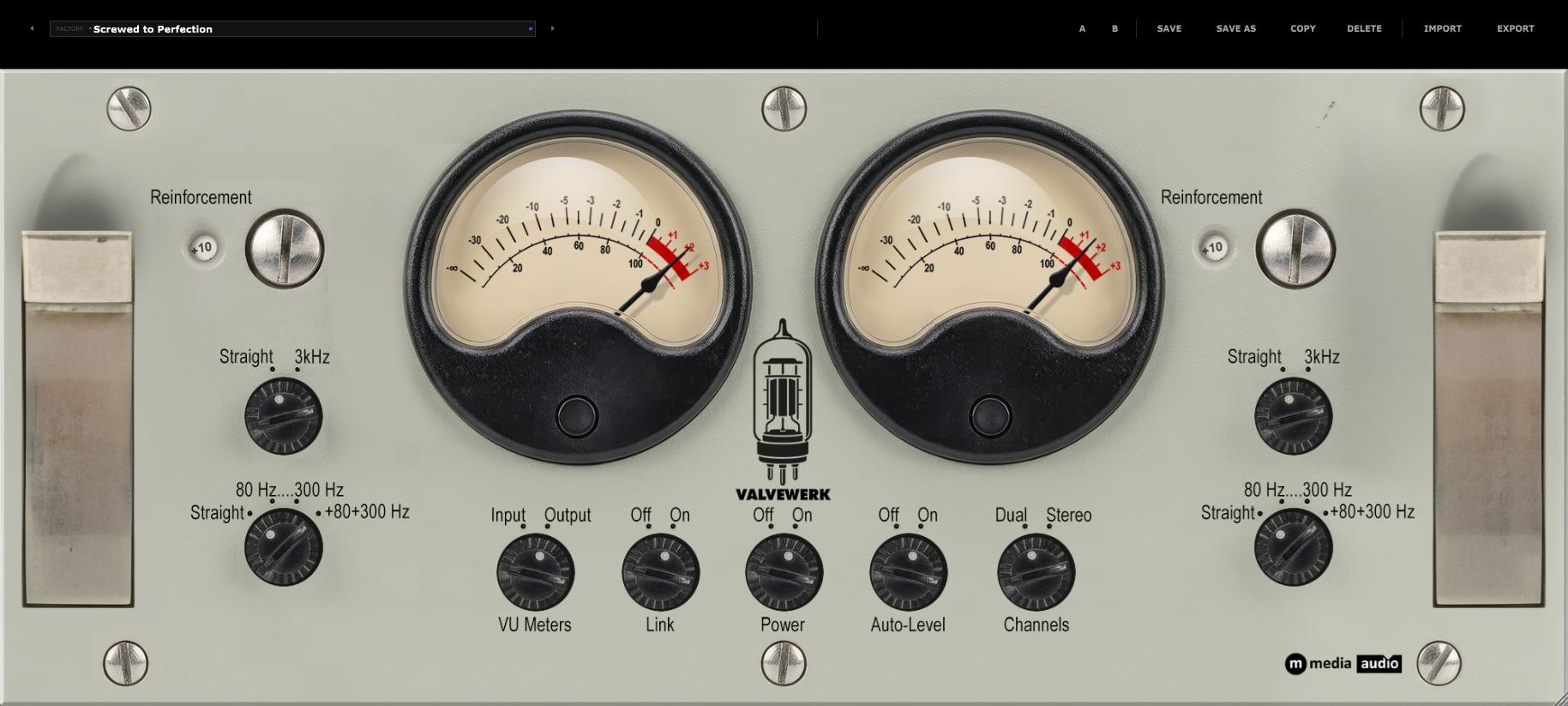
M Media comes from an enthusiasm for audio that has become, administratively speaking, difficult to contain. We like the engineering. We like the graphic design. We like the code. We like the writing. We like what happens when a tool takes a sound from “nearly” to “there it is.” We also like illuminated meters to an extent that probably warrants a separate conversation.
That combination shapes what we build. Sometimes the goal is character. Sometimes it’s control. Sometimes it’s a specific utility we want available in a session without assembling a small international coalition of other plugins.
Upper Management is a good example. Harsh cymbals, sibilance, and brittle top-end spikes need handling. A static EQ cut can take away more brightness than you wanted. So the tool focuses on catching the problem when it happens. Naturally, we named it after the people who schedule a meeting to ask why nothing is getting done.
The joke makes us laugh. The processing still has a job. That’s the standard: the name can misbehave; the tool needs to earn its place in the session.
You Are Allowed to Enjoy Your Equipment
Professional audio has enough opportunities for misery. There are missing files. Unlabeled tracks. Mysterious hums. The client who asks for “more analog” and sends a voice memo recorded inside a moving vehicle. Your plugin interface doesn’t also need to look like a disciplinary notice.
We like personality. We like a good knob, a readable panel, a satisfying meter, and a preset name that makes someone laugh before they press Play. There is room for all of that alongside useful processing.
A ridiculous name doesn’t prevent a compressor from controlling dynamics. A cat doesn’t invalidate an audio circuit. A joke about management doesn’t stop a high-frequency limiter from dealing with a cymbal that has appointed itself chief executive officer. We take the sound seriously. Our dignity has a much more flexible schedule.
And when you spend hours working in a DAW, the things you look at matter. A tool you enjoy opening is a tool you’re more likely to explore. Sometimes that exploration leads to the sound you were looking for. Sometimes it leads to something worse, but enthusiastically worse. That’s why there’s Undo.
Hobbyists Deserve Good Tools
We don’t think useful audio software should require you to prove that music is your primary source of income. The person recording after work deserves good tools. So does the student, the retired musician, the independent engineer, the bedroom producer, and the guitarist whose equipment budget is technically classified as a domestic negotiation.
You don’t need a commercial lease and a leather couch to care about sound. You need ears, curiosity, time, and a willingness to listen again when you’re convinced you already got it right. That last one is expensive enough.
Accessible pricing gives more people room to try something useful. It lets someone solve a problem without postponing another part of their setup. Maybe they need strings. Maybe they need an interface. Maybe they need groceries, a category of studio expenditure frequently overlooked by people who own six reverbs.
We want our tools to be purchases people can feel good about. Ideally before, during, and after looking at their bank account.
Small Can Be an Advantage
Being a small operation has limitations. There are only so many hours available, and every new commitment has to fit into them. It also keeps the distance between an idea, a problem, and the work pretty short.
When someone sends useful feedback, it can reach the person who can do something with it without first becoming a slide in a quarterly presentation. We appreciate that. We like hearing what people are making. We like knowing when a control is confusing, when a build doesn’t behave, or when a tool has found a use we hadn’t considered.
We can’t promise every requested feature or an instant answer at every hour. We can promise that there are actual humans involved, and that we care whether the software is useful.
Sometimes those humans are in the office on Saturday. This is less a premium support tier than evidence that our work-life balance has escaped through an unsecured window. Please don’t encourage it. Unless you have a particularly good bug report.
We’d Rather Earn a Place in Your Sessions
A huge plugin collection can be wonderful. It can also become a museum of things you installed with tremendous optimism and have never opened again. We’d like our plugins to avoid that particular retirement plan.
We want them to become the tools you remember when a specific problem appears. The top end gets hostile. You know what to open. You want a particular kind of compression, tape character, or tonal adjustment. You have something familiar that gets you moving.
That kind of usefulness matters more to us than winning an argument about how many products should fit inside a bundle. A good deal gets better when you actually use it.
And a focused tool doesn’t need to pretend it will transform every source into a finished record. Some sources need a different microphone position. Some need a better arrangement. Some need the tambourine player to leave early. Software has limits. We find that admitting those limits makes it easier to explain what a tool actually does.
Yes, We Need to Make Money
Before anyone concludes that this is an elaborate nonprofit devoted to attractive meters: we do need sales. Development takes time. Testing takes time. Support takes time. Making all of this sustainable matters.
Affordable pricing is how we’re trying to build that sustainability with people, not a declaration that the work has no value. If you buy a plugin, use it, and recommend it to someone who would benefit from it, that helps enormously. So does constructive feedback. So does telling another Linux musician that there are options here.
We’d rather grow through people enjoying the tools and coming back than through making one purchase feel like a major financial event. There’s enough drama in a mix revision. The checkout can behave itself.
That’s Why We’re Affordable
We’ve chosen our formats. We’ve focused our effort. We’re paying attention to what musicians can actually spend. We support Linux because we care about it, even when the practical work gets awkward.
We build tools that interest us, price them so more people can use them, and allow ourselves the occasional joke at the expense of an entirely fictional management structure. The savings are real. The enthusiasm is real. The meters have received an amount of attention that cannot be defended in court.
Try the tools. Read the compatibility details. Use your ears. Find out whether something here deserves a place in your sessions. We’d love to help you make something great.
Professional tools. Attainable prices. Linux invited.
Accounting has left the building. HR is auditioning presets. 😀