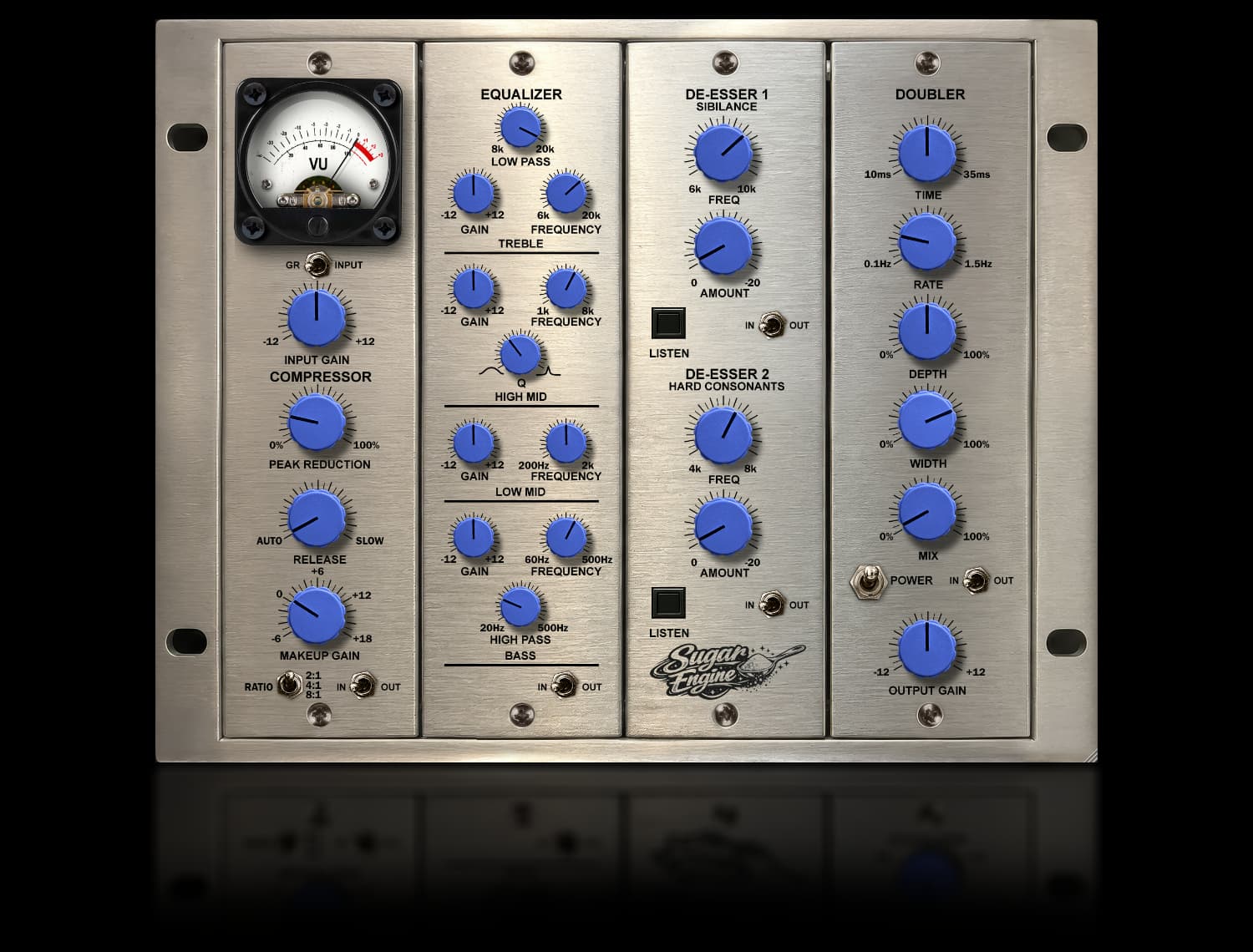
The M Media guide to serious audio, questionable decisions, delusional management and mandatory meetings nobody intends to attend.
The trouble started when someone asked what we should charge. This is a perfectly reasonable question at most companies. Someone opens a spreadsheet. Someone else says “market positioning”. A third person, whose contribution remains unclear, suggests scheduling a follow-up.
At M Media, we looked at the software, thought about the people who might enjoy making music with it, and picked a price that would let more of them do that. Accounting asked whether we understood the question. We did. That was clearly the fundamental problem.
Before we go any further, we should disclose that both departments are furious. Both have requested meetings. Neither has been given the Wi-Fi password. They have, however, compiled a substantial file. The pricing alone occupies a drawer.
Apparently, when you spend weeks building something, you’re supposed to emerge from the workshop with a pricing strategy that communicates how expensive those weeks felt. The knobs should imply exclusivity. The product description should contain the word “uncompromising.” Somewhere near the bottom, a photograph of a darkened studio should make you feel financially underqualified.
We understand the appeal. We also understand that the person buying the plugin might be making an album after work or on weekends (or both), on headphones, in a room that becomes a dining room again at six. That person deserves good tools. So does the engineer doing paid sessions. So does the Linux user who has grown accustomed to scrolling down a compatibility page with the optimism of someone checking a lottery ticket in the rain.
We want our stuff within reach. You should be able to buy a useful preamp without convening a household budget summit or explaining why the grocery money now has transformers. Accounting described this as “an emotional approach to revenue.” We described it as knowing who we’re making things for. The minutes record a slight disagreement.
Then came the bundles. A bundle seems harmless at first. We can be bundlers! Put some related tools together, offer a better price, help someone build out a useful collection. Everyone wins. Unfortunately, we possess the part of the brain that asks, “What if we put all three in there?” Accounting possesses the part that says, “Please finish that sentence very carefully.”
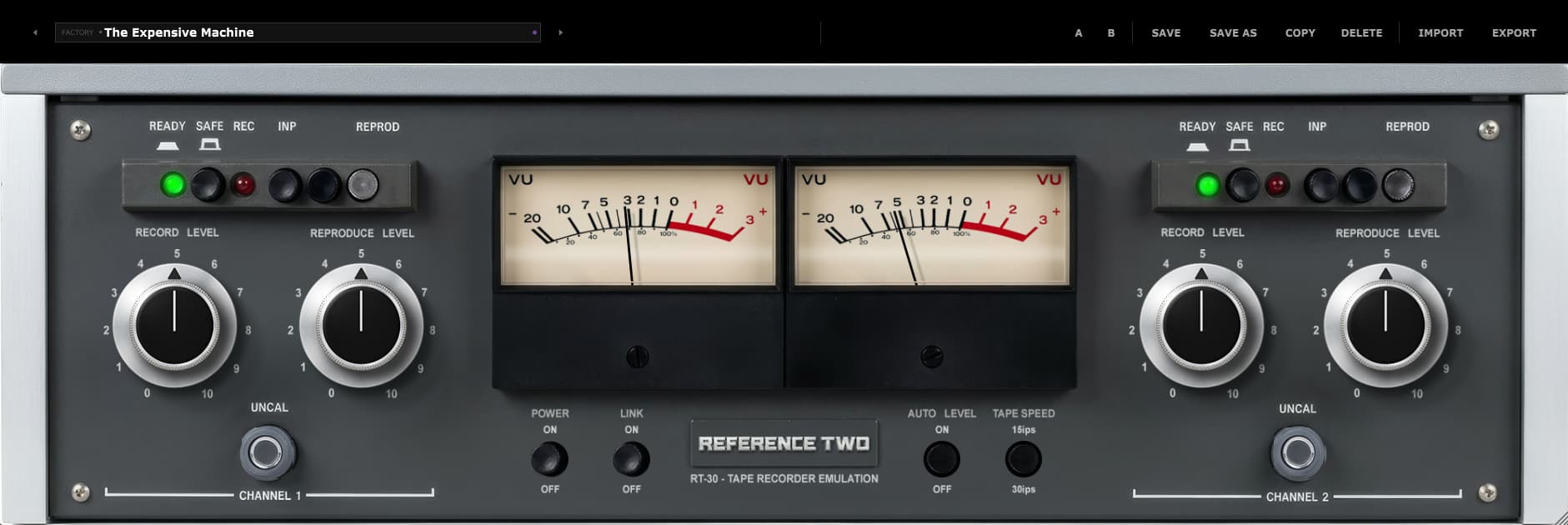
Three tape machines. Six VU meters. Thirty-one presets. Twenty-nine bucks. There was a silence. Not the pleasant kind you get after fixing a ground loop. The kind you get when someone from Finance takes their glasses off with both hands. They started explaining their Ibuprofen budget.
We tried explaining that the machines had different personalities. (cue “These Are The People In Your Neighborhood”, the Sesame Street smash hit) That there was real pleasure in trying them on different material. That making the whole collection affordable meant people could explore those differences instead of spending an evening deciding which one they could justify. Accounting asked whether pleasure could be entered as a line item. We said it was probably the reason anyone was buying audio software in the first place. That meeting ended early. Ok.. abruptly.
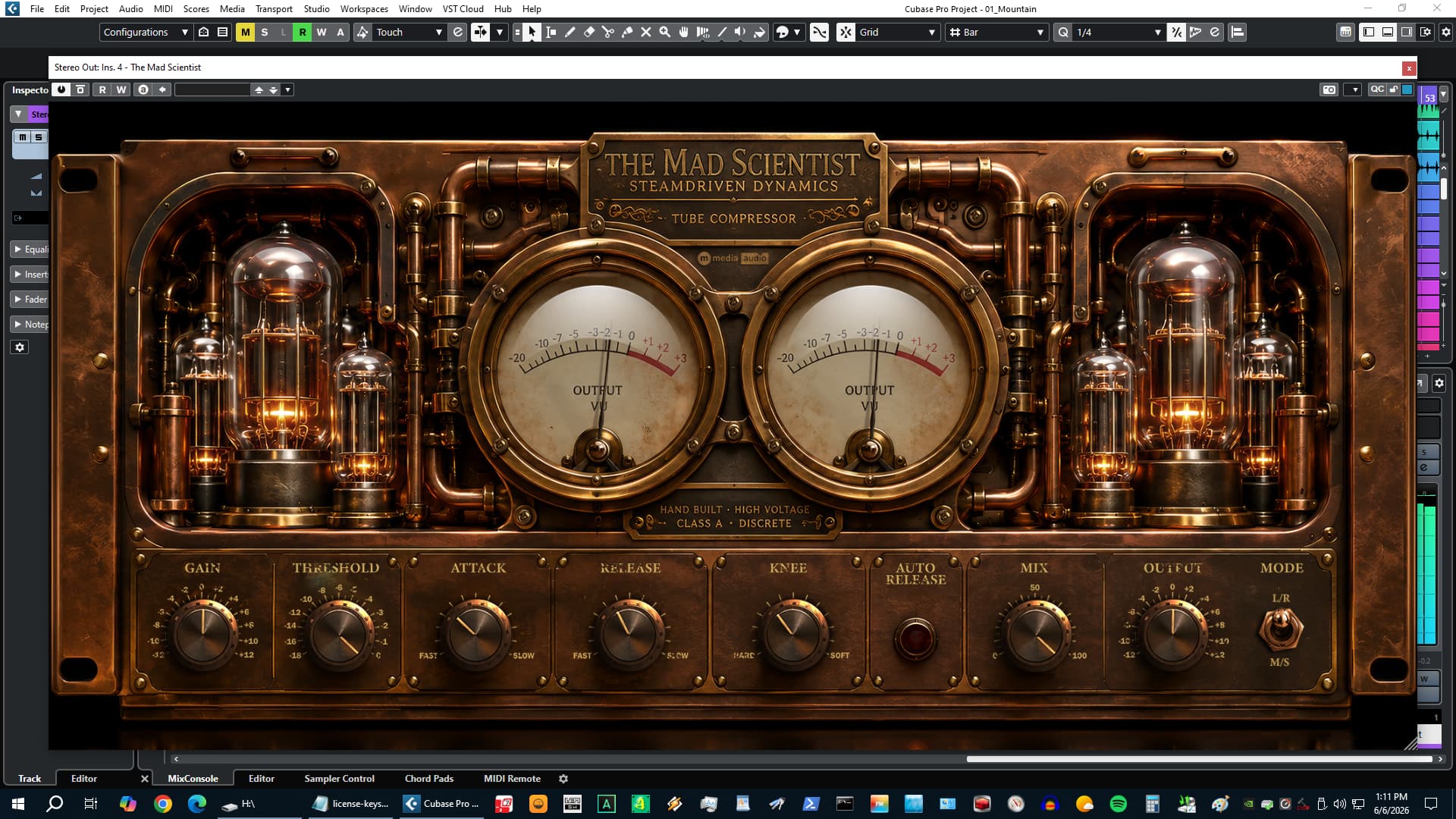
The objection we hear underneath all of this is understandable: if the price is that low, what got left out? Fair question. Money matters, and nobody wants a bargain that turns into an afternoon of troubleshooting. Our answer lives in the work. The signal path. The behavior of the controls. Fancy VU meters! The useful range of a gain stage. The way a meter responds. The difference you hear when you push something a little harder. A cheap price doesn’t make those decisions for us. We still have to make them properly.
We care whether a control earns its place on the panel. We care whether the sound holds up after the initial “ooh, louder” wears off. We care about the experience of actually using the thing, repeatedly, while trying to finish music. We also care an unreasonable amount about the knobs.
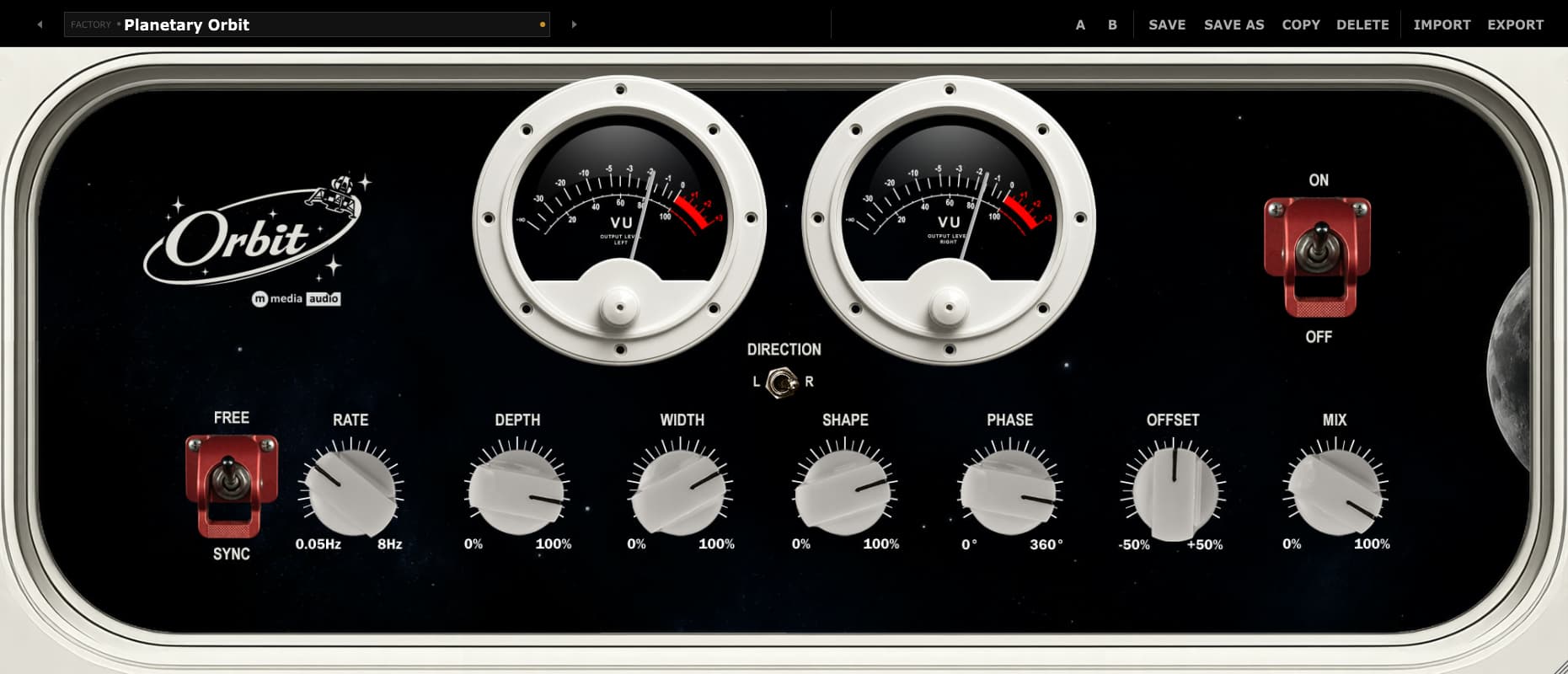
There are productive discussions about knob design, and then there are the discussions we have. A knob can be almost right for an alarming amount of time. The edge is wrong. The lighting is wrong. The knurling suggests it was photographed from a neighboring county. Someone says, “Nobody will notice,” and is immediately removed from the meeting. People will spend hours looking at these interfaces. They’re allowed to enjoy the view. Appreciate the ambience. Accounting would prefer we enjoy fewer revisions.
HR became involved shortly afterward. Their initial concern was the preset names. Apparently, a preset is supposed to be called something reassuring, like “Warm Vocal” or “Gentle Buss.” A name that arrives on time, wears a lanyard, and has never been asked to leave a restaurant. Repeatedly. We appreciate a descriptive preset. We also appreciate opening a menu and finding evidence that a human being was allowed near it.
“Holy Catnip, Batperson!” made it into a compressor. HR asked what it meant. We suggested listening. They asked whether there was a more professional way to communicate the setting. We pointed out that the threshold, ratio, and attack controls were already doing an excellent job of that. This did not resolve the complaint. Neither did the cat.
The cat wears sunglasses and a tiny pink cowboy hat. The cat bobs along with the music. The cat occupies a position of authority within the interface that HR believes should have required an interview and some sort of background check and kitty litter budget. Underneath the cat is a compressor with an actual job to do. This arrangement makes perfect sense to us, right? Audio engineering requires judgment, patience, and enough concentration to notice when you’ve spent twenty minutes making a snare worse. A small amount of joy is unlikely to compromise the profession.
Somewhere along the way, “professional” acquired a dress code. Everything became dark, severe, and faintly disappointed in you. We like a handsome piece of serious equipment as much as anyone, but we see no technical reason a useful compressor can’t also contain a deeply difficult cat. HR has requested that we stop referring to the cat as management. The cat has declined to comment.
Marketing hasn’t helped our standing, either. We’ve been advised that product copy should establish an aspirational relationship with the customer. It should elevate the brand. It should create desire through carefully controlled language. We wrote “Accounting has left the building.” People seemed to understand it. We added “HR is not pleased either.” Now there was organizational depth.
The truth is, we like talking to musicians and engineers as if they’re musicians and engineers. People who have bought gear, made mistakes, found something brilliant in a cheap box, and occasionally spent far too much on something that mostly looked impressive while bypassed. You don’t need us to promise that a plugin will transform your creative destiny. You need a reasonable explanation of what it does, a chance to hear it, and a price you can make sense of. If we can make you laugh along the way, excellent. There are enough grim transactions available elsewhere.
Which brings us to the question in the title: how do we keep our jobs? We keep doing the work. Locking the door to Engineering also helps. The jokes get to stay because we still have to care about what happens when you press play. The ridiculous names get to stay because there’s a useful setting underneath them. The affordable prices are something we intend to keep making room for, even when the imaginary spreadsheet develops a facial twitch.
We’re building the kind of audio company we’d enjoy buying from: people who love the equipment, care about the music, tell you what they made, and leave enough money in your pocket to come back. We’d like you to finish a song. Finish an album. Try an idea. Rescue a recording. Find a sound that makes you stay at the desk for another half hour because now something’s happening. That’s a pretty good reason to show up for work.
Accounting has been invited to consider the long-term value of that relationship. HR has been assured that future preset names will receive exactly the same level of supervision as the previous ones, which would be none whatsoever. Neither department found this reassuring. Nor should they.
Engineering has locked the door. There’s another preamp on the bench. Everyone did, however, agree it was time to go out for drinks. Cheers!